Picture this: you untie your lines, idle past quiet finger canals, and point the bow toward open Gulf waters—all from your backyard. If you’re eyeing a Vanderbilt Beach canal home, you’re likely weighing water depth, dock capacity, transit time to the Gulf, and how those details affect price. This guide gives you a clear, boater-first view of the Conners Canal area in Vanderbilt Beach so you can shop with confidence. Let’s dive in.
Vanderbilt Beach canals at a glance
Where the canals sit
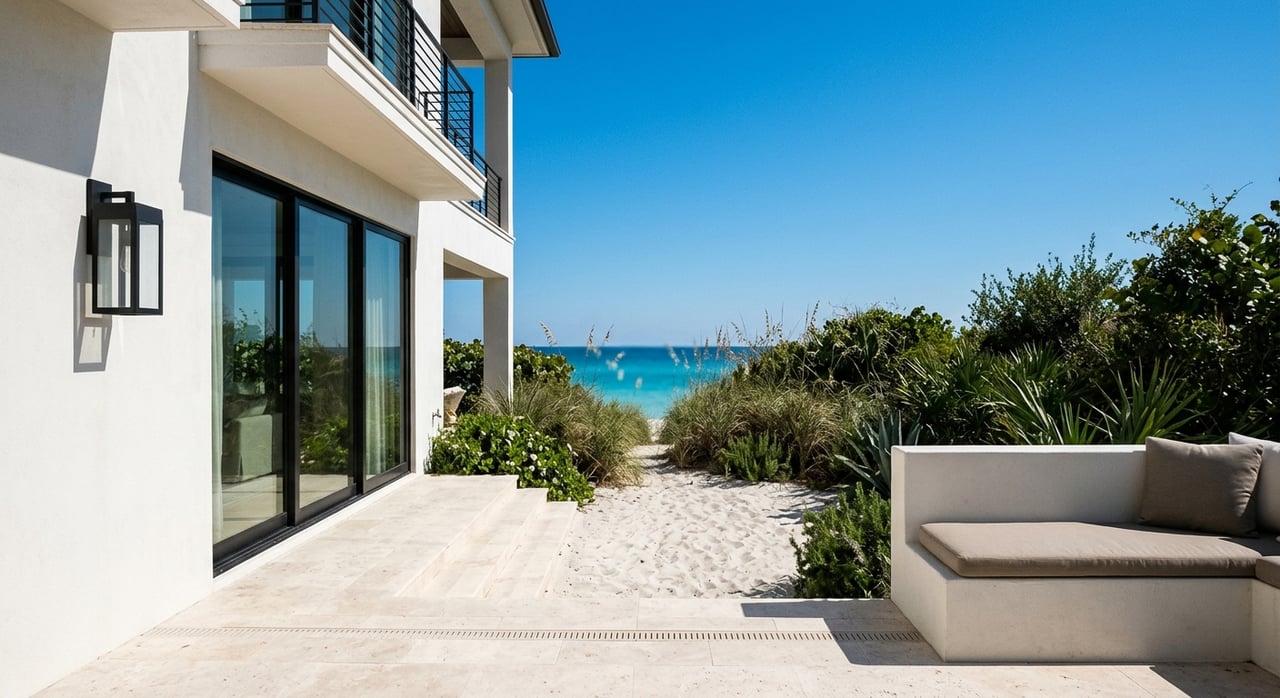
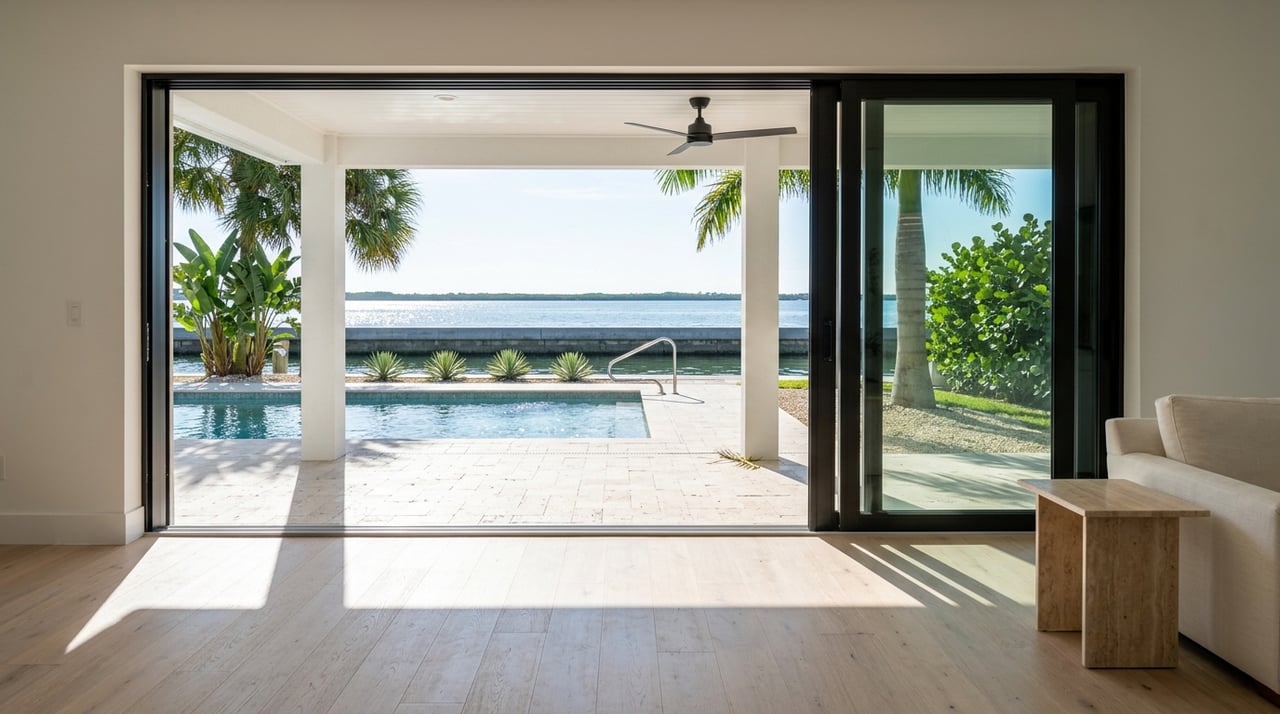
Vanderbilt Beach in North Naples sits between the Gulf of Mexico to the west and US-41 inland. The Conners Canal neighborhood is a network of man-made residential canals offering private seawalls and docks with fast access to beaches and local waterways. Buyers choose this pocket for the blend of beach proximity and at-home boating.
How the fingers connect
These are primarily east–west “finger” canals off larger neighborhood waterways that ultimately connect to Naples Bay, the Gordon River, and Gulf passes. Some fingers feed into small basins before joining main channels. To confirm a specific lot’s connectivity and whether a canal is open-through or dead-end, review the county’s parcel and canal layers using the Collier County GIS and mapping portal.
Lot and home types
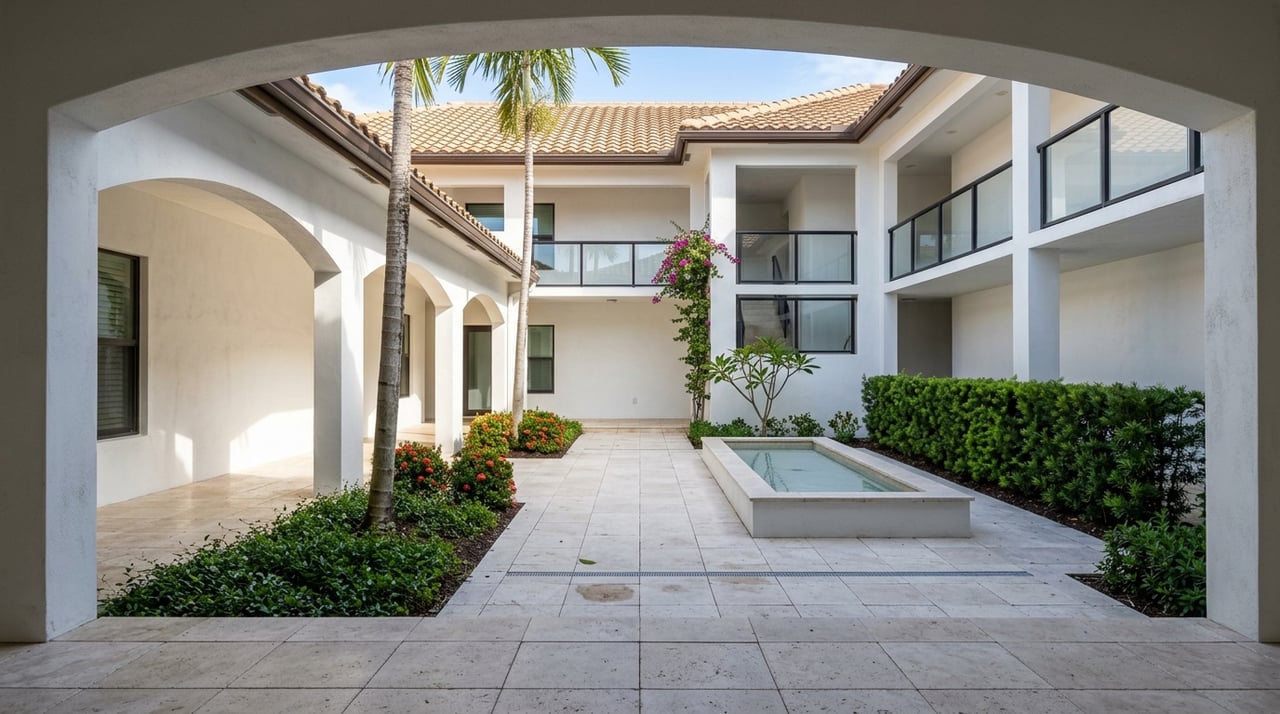
Lots are typically narrower than estate areas like Port Royal, with a mix of older mid-century homes and newly rebuilt luxury residences. You’ll find everything from single-story canal cottages to modern elevated homes with lifts and upgraded seawalls. Properties closest to the beach and those with quick, unimpeded routes to larger channels often command premiums.
Boating access and routes
Typical routes to the Gulf
From Conners Canal, owners navigate the local canal network to reach larger channels and then head to the Gulf via area passes. Transit time varies by your exact canal and water conditions. For many owners, a typical run to open water ranges from about 15 to 45 minutes, depending on connectivity and tides.
Depth, draft, and boat size
Many residential canals in Collier County are shallower than full-service marinas. Practical boat size depends on depth at mean low tide, canal width for turning, and the dock or lift design. A common setup in Vanderbilt Beach canals is a 20–30 foot center console or bay boat. Larger, deeper-draft yachts often fit better in marina slips or deeper channels.
Tides and seasonal factors
Southwest Florida is micro-tidal, with typical ranges around 1–2 feet. Even that small swing matters in shallow canals, especially near canal mouths. Check NOAA tide predictions for Naples-area stations before draft-sensitive trips, and factor in wind setup and boat wakes that can temporarily reduce effective depth.
Hazards to note
Expect shoaling and siltation in low-traffic areas, plus tighter turning radii in finger canals. Running at low tide increases the risk of prop or drive damage on shallows. During hurricane season, plan for elevated docks, proper lift maintenance, and mooring procedures. Always follow Florida Fish and Wildlife boating rules for safe and compliant operation.
Docks, seawalls, and lifts
What to inspect
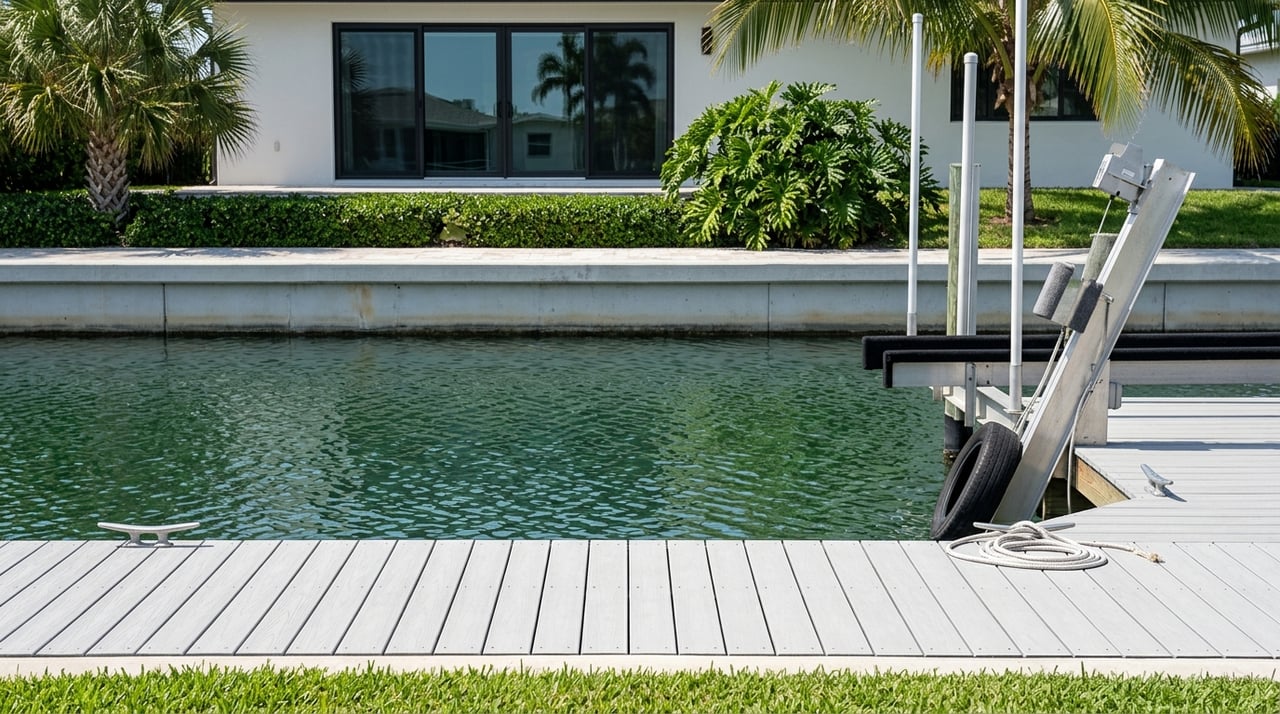
Seawalls are a major long-term expense. Look at wall material and age, visible movement, cracks or spalls, top-of-wall elevation, and tiebacks if visible. For docks and lifts, review piling condition, decking, hardware, electrical, and documented lift capacity. Older lifts may be undersized for modern boats.
Slip size and turning room
Usable slip width and depth hinge on mean low water at the dock and maneuvers needed to enter and exit. Confirm maximum beam, turning radius in your finger canal, and the draft profile to the canal mouth. If you plan to add or expand a covered lift, check both space and permitting requirements.
Permits and approvals
Waterfront improvements often require permits. For local building and shoreline work, start with Collier County Growth Management and permitting. Many projects also fall under the Florida Department of Environmental Protection and, if they affect navigable waters, the U.S. Army Corps of Engineers guidance. Verify riparian rights, dock ownership, and any recorded easements on title.
Insurance and flood zones
Most Vanderbilt Beach canal properties sit in coastal flood zones. Expect flood insurance requirements and underwriting attention to elevation, construction, and mooring plans. Review property details and tax records through the Collier County Property Appraiser, and discuss flood zone, base flood elevation, and policy costs with your insurer.
Pricing signals and availability
Inventory realities
True waterfront canal homes with private docks are limited by lot supply. Many properties are owner-occupied or held long term, so active inventory is often tighter than non-waterfront options. Off-market and coming-soon opportunities are common; a connected local team can surface these.
What pushes price up
Premiums rise with wider lot frontage, unimpeded routes to main channels, reliable water depth, and high-quality docks or lifts. Short walking distance to Vanderbilt Beach, newer construction, and wide-basin or sunset views also support higher values. These attributes are highly micro-local.
Value drag factors
Shallow or dead-end canals, deferred seawall or dock maintenance, limited room for lift upgrades, and restrictive CCRs can reduce value. Flood vulnerability and costly future seawall work also weigh on pricing.
Setting realistic expectations
Waterfront lots nearly always command a premium over similar inland homes, but the amount is canal-specific. Base your expectations on recent closed sales for the same canal and similar frontage rather than broad averages. For timely comps, lean on the MLS via cooperating brokers and local market reporting such as the Naples Daily News.
Boater-buyer checklist
Waterway and navigation
- Is the canal open-through or dead-end?
- Canal width and turning room for your boat length and beam?
- Water depth at mean low tide at the dock and canal mouth? Any recent dredging or soundings?
- Route options to the Gulf and typical transit times? Any bridges or draft constraints?
Dock, seawall, and maintenance
- Seawall/dock ownership, easements, and maintenance agreements on record?
- Age, condition, and documentation for the dock and lift; lift capacity vs. your boat’s weight and beam?
- Seawall repair or replacement history with permits on file?
Regulations and insurance
- CCRs or HOA rules that limit dock size, lift capacity, or boat type?
- Flood zone designation and any recent storm or flood history for the lot?
- Current flood policy costs and any exclusions for docks or boats?
Financial and market
- Closed sales for similar frontage on the same canal in the last 6–12 months?
- Budget for seawall, dock, and lift servicing or upgrades in the first 3 years?
- Backup plan for a larger boat at a marina if your private dock is depth- or width-limited?
How TEAM SIMS helps
Buying a canal home is equal parts lifestyle and logistics. You deserve clear answers on depth, draft, lift capacity, permits, and value. With decades of North Naples waterfront experience, our boutique family team surfaces the right lots, validates the boating details, coordinates marine contractors, and negotiates with confidence. Through our William Raveis affiliation, you also gain access to broker-backed mortgage and insurance resources when you are ready to evaluate options.
If you’re ready to evaluate Vanderbilt Beach canal homes through a boater’s lens, connect with STEVE SIMS for a private consultation tailored to your boat, your routes, and your goals.
FAQs
Boat size on Vanderbilt Beach canals
- Many finger canals are most comfortable for 20–30 foot boats; larger 35–40 foot vessels may work on certain lots, but you should verify depth at mean low tide, canal width, turning room, and lift capacity before closing.
Transit time from Conners Canal to the Gulf
- Depending on your canal’s connectivity and conditions, typical runs to open water are roughly 15–45 minutes by powerboat; expect longer during low tide or if routing around shallow areas.
Extra ownership costs for canal homes
- Budget for seawall maintenance or replacement, dock and lift servicing, higher flood insurance, and potential permitting and contractor costs for dock, lift, or seawall work.
Rules on boat types and use in Vanderbilt Beach
- Community CCRs, county rules, and state regulations apply; confirm any restrictions on boat length, lifts, storage, and liveaboards, and follow Florida Fish and Wildlife boating rules.
Where to check tides, permits, and records
- Use NOAA tide predictions for Naples stations, review local permitting via Collier County Growth Management, and confirm property records with the Collier County Property Appraiser.