Thinking about making Barefoot Beach in Collier County your next address, but not sure if it should be a seasonal escape or your full-time home? You’re not alone. Many affluent buyers weigh lifestyle, maintenance, and risk just as carefully as views and finishes. In this guide, you’ll compare what seasonal and year-round living actually look like here, understand the costs that matter most, and learn the practical steps to decide with confidence. Let’s dive in.
Seasonal vs full-time: key tradeoffs
Choosing how you’ll live in Barefoot Beach is as important as choosing where. Each option carries clear benefits and real-world tradeoffs.
Seasonal living (roughly Nov to Apr)
- Enjoy peak weather and an active social calendar during high season.
- Lower day-to-day oversight if you keep your primary home elsewhere.
- Potential to rent your property when you’re away, subject to HOA rules.
- Expect management fees and planning for turnover, security, and maintenance.
Full-time living (year-round)
- Eligible for Florida’s homestead exemption if it’s your primary residence, which can reduce property taxes.
- Easier to build local relationships and oversee your home directly.
- Access to amenities in both high and low seasons, with a steadier daily rhythm.
- Requires planning for hurricane season and ongoing insurance and maintenance.
If you can, test both seasons before you commit. Spend several weeks in peak winter and again in the warmer, quieter summer months to experience traffic, weather, and community pace firsthand.
Home types and maintenance
Barefoot Beach and the surrounding Bonita Springs and greater Naples area offer a mix of high-end property styles. Your preferred lifestyle and maintenance tolerance should guide your choice.
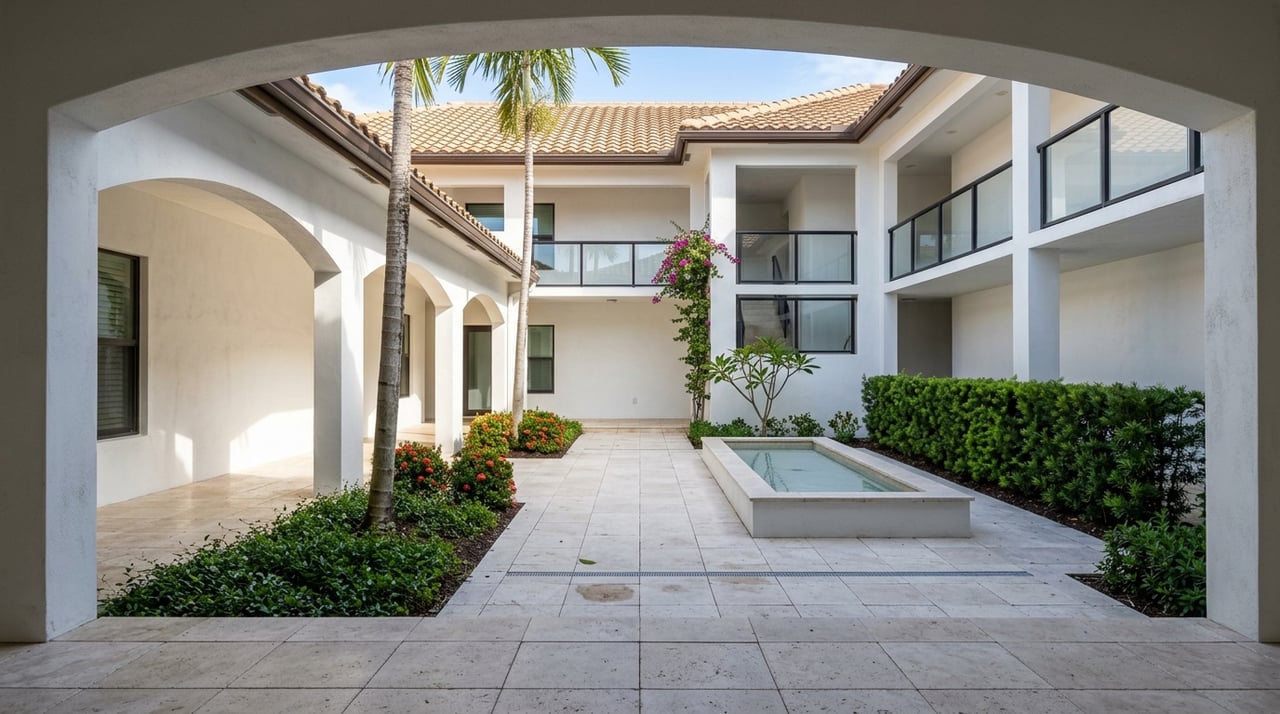
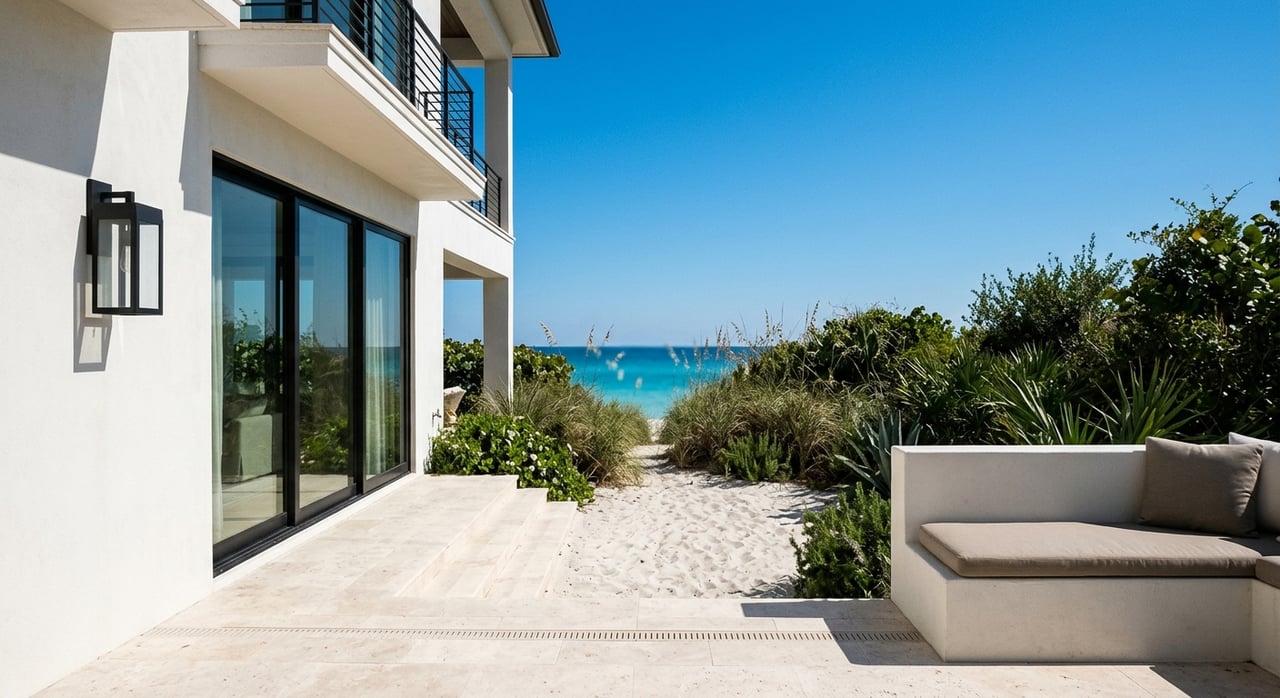
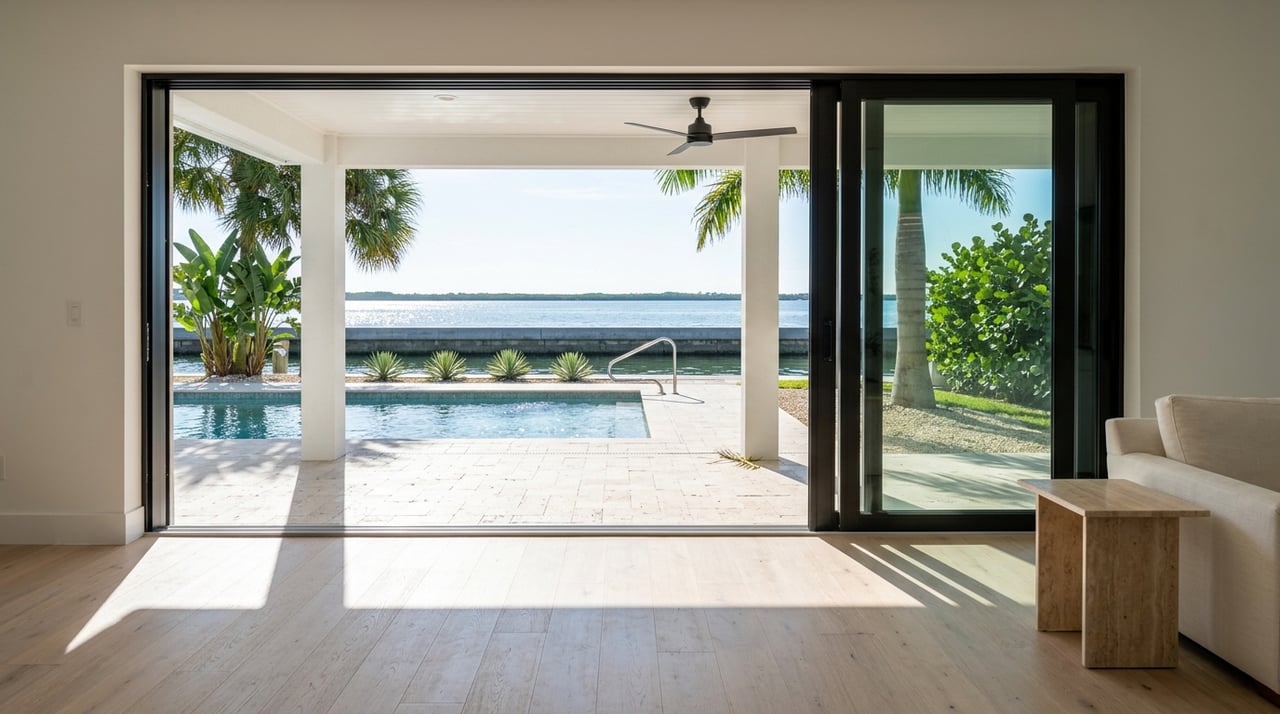
Gulf-front single-family estates
- Maximum privacy and space, plus private outdoor amenities.
- Higher exposure to wind, salt, and storm conditions.
- Expect elevated maintenance and insurance planning.
Villas and townhomes in gated enclaves
- Lower exterior maintenance with HOA-managed landscaping and common areas.
- Good for lock-and-leave living, with monthly fees to budget.
Gulf-front condos (mid- and high-rise)
- Amenity-rich and typically easier for seasonal management.
- HOA fees are higher and cover exterior elements, building insurance portions, elevators, and shared facilities.
Nearby inland luxury and club neighborhoods
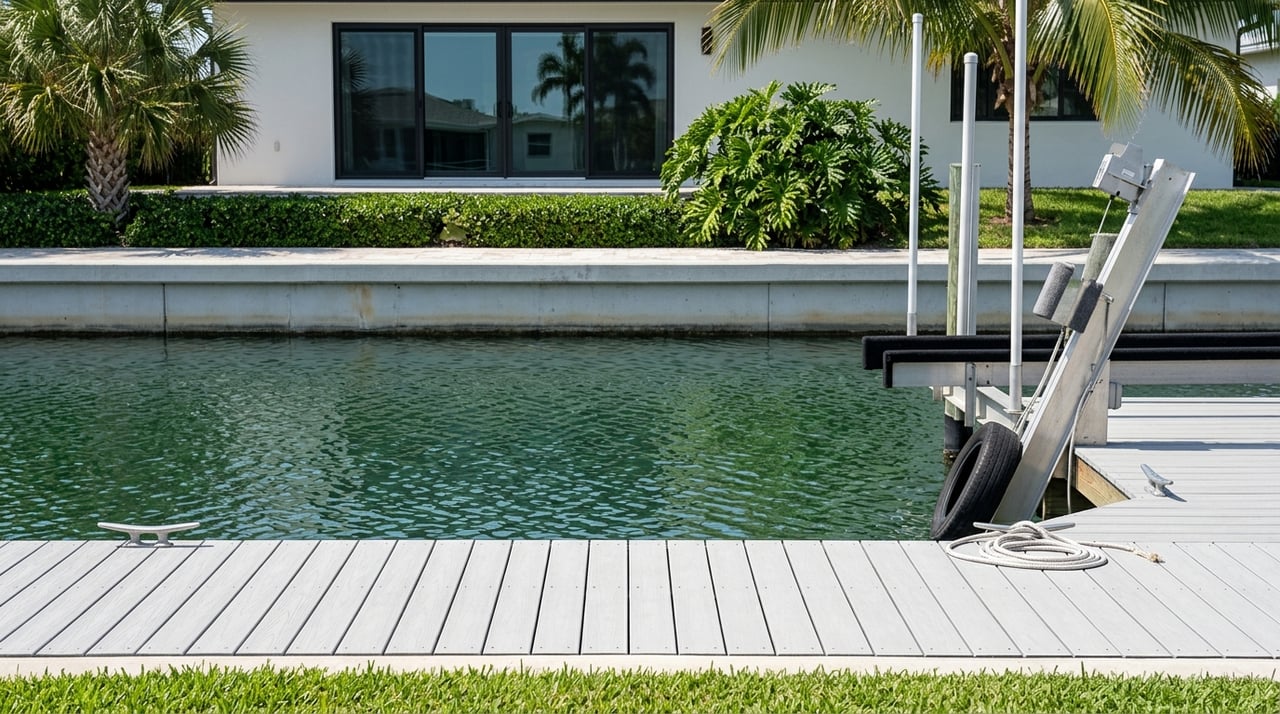
- Often include golf, tennis, wellness, and marina opportunities.
- Balance privacy and services, with varied maintenance responsibilities.
If you want to minimize hands-on work, a managed villa or condo can be ideal. If privacy and outdoor living are non-negotiable, a single-family estate delivers that with a higher level of oversight.
Key costs and budgeting
Luxury buyers should plan for a few core cost categories. Many are predictable if you model them upfront.
- Purchase price: Barefoot Beach’s premium location commands premium pricing, especially for gulf-front and close-in homes and condos.
- HOA/condo fees: Often higher in amenity-rich buildings or gated communities. Fees may include security, landscaping, reserves, and contributions to building insurance.
- Property taxes: Florida has no state income tax, but property taxes apply. Primary residents can pursue the homestead exemption, which may reduce taxes.
- Insurance: Expect homeowners coverage, windstorm or wind-only policies, and flood insurance where required or prudent. Florida’s coastal market has seen rising premiums; obtain multiple quotes.
- Maintenance and staffing: Budget for landscaping, pool care, pest control, HVAC servicing, housekeeping, and seasonal turnover services. Seasonal owners typically engage a property manager.
- Utilities and assessments: A/C is a major energy cost in summer. Also plan for water/sewer, trash, and potential community or beach renourishment assessments over time.
Ask prospective insurers how occupancy affects premiums and coverage. Seasonal vs primary residence status can influence rates, exclusions, and deductibles.
HOA and rental rules to know
Association rules shape daily life and rental potential. Before you buy, review:
- Short-term rental policies, minimum lease periods, and frequency limits.
- Any special assessments and reserve funding health.
- Insurance requirements and the scope of the master policy.
- Guest access, parking, and registration procedures.
If you plan to rent when away, verify association rules and check Collier County’s vacation rental regulations and tax collection procedures. Permits, registration, and compliance systems can vary by community and property type.
Lifestyle, clubs, and social life
Barefoot Beach offers easy access to upscale dining, boutique shopping, and arts across Bonita Springs and Naples. Private clubs with golf, tennis, marinas, dining, and wellness are common throughout the region, with memberships ranging from equity to non-equity structures.
- In high season, social calendars are lively and reservation demand rises.
- Seasonal residents often prefer flexible or limited memberships.
- Full-time residents tend to engage more deeply, from club committees to volunteer groups and year-round events.
If a club is part of your lifestyle, confirm initiation fees, dues, waitlists, and any transfer processes before you purchase. Ask about off-season programming so you know how active the community feels in summer.
Walkability and access
Barefoot Beach is low-density and primarily residential. You will likely rely on a car for daily errands, groceries, and dining.
- Walkability varies by specific address, but downtown nodes in Bonita Springs and Naples offer more concentrated services.
- Southwest Florida International Airport in Fort Myers is the primary commercial hub for the region.
- Naples also offers general aviation and private flight options commonly used by affluent travelers.
- Expect longer drive times in peak months, especially on I-75 and key arterials.
Account for seasonal traffic patterns in your daily routine, travel days, and service appointments.
Healthcare and continuity of care
The Bonita Springs and Naples area offers multiple hospitals and specialty providers, with additional regional centers in Fort Myers. Full-time owners can build ongoing relationships with local physicians and specialists. Seasonal residents should plan how to coordinate across home states, including medical records and prescription management.
Insurance, risk, and long-term planning
Coastal living requires clear-eyed risk planning and mitigation. Florida’s hurricane season runs June through November, with peak activity often from August through October. Flood, wind, and storm surge are key considerations.
- Flood zones and elevation: Many coastal parcels fall within FEMA flood zones. A Flood Insurance Rate Map determination and any available elevation certificate help you understand requirements and pricing for flood insurance.
- Insurance market realities: Coastal premiums for wind and flood can be higher, and some carriers may limit new coastal policies. Consider private flood options, surplus lines, and mitigation credits such as impact windows and reinforced roofs.
- Sea-level rise and shoreline management: Long-term owners should factor in beach renourishment programs and potential assessments. Conditions can evolve over time.
- Hurricane preparedness: Full-time residents should budget for impact glass or shutters, generators, and evacuation planning. Seasonal residents need a property manager or trusted local contact for pre-storm prep and post-storm assessments.
Obtain multiple quotes and review deductibles carefully. Plan for potential annual premium adjustments and confirm any occupancy-related policy terms.
Practical steps before you decide
Make your choice with on-the-ground insight and a clear due diligence process.
- Visit in both high and low seasons for multiple weeks.
- Request recent comparable sales and a neighborhood analysis focused on seasonal occupancy and rental demand.
- Review association documents for rental rules, reserve health, insurance coverage, and guest policies.
- Request a FEMA flood zone letter and any elevation certificate; confirm availability and pricing for flood insurance.
- Secure multiple quotes for homeowners, wind, and flood coverage before you finalize an offer.
- Confirm utility providers, metering, and any setup or transfer fees.
- Interview property management firms if you plan seasonal use and ask about hurricane plans and vacancy checks.
Tips for seasonal residents
- Budget for professional property management, housekeeping, pest control, and HVAC servicing.
- If renting, confirm association limits, county requirements, and tax obligations, and set a turnover plan.
- Install smart-home tools for remote monitoring and maintain local emergency contacts.
Tips for full-time residents
- Apply promptly for Florida’s homestead exemption after establishing primary residency to seek applicable property tax benefits.
- Establish care with local healthcare providers and transfer records.
- Invest in resilience upgrades like impact glass and a generator and maintain a clear emergency plan.
Is Barefoot Beach right for you?
If you want a private coastal setting with quick access to Bonita Springs and Naples, Barefoot Beach delivers. Seasonal living can offer the best weather and an active social circuit with less day-to-day oversight. Full-time living unlocks tax benefits for primary residents, deeper community ties, and year-round enjoyment. The right answer depends on how you balance lifestyle, maintenance, insurance, and long-term plans.
If you’d like a neighborhood-savvy perspective tailored to how you plan to live, reach out to STEVE SIMS. Our boutique, family-led team pairs hands-on guidance with brokerage resources to help you choose the right property, community, and ownership approach.
FAQs
Will I save money by living seasonally in Barefoot Beach?
- Seasonal owners can reduce some living costs, but should budget for property management, insurance, ongoing HOA or mortgage payments, and possible turnover expenses; rental income may offset costs if allowed by your HOA and county rules.
Do full-time owners get lower property taxes in Florida?
- Primary residents may qualify for Florida’s homestead exemption, which can reduce property taxes; eligibility rules and filing deadlines apply, so review state guidance and timing.
Is flood insurance required near Barefoot Beach?
- If your property is in a FEMA-designated flood zone and you carry a mortgage, lenders typically require flood insurance; many coastal owners buy coverage even outside mapped zones due to storm surge risk.
How walkable is Barefoot Beach for daily errands?
- Walkability is generally limited because the area is low-density and residential; most residents use a car and visit nearby downtown nodes for concentrated services.
Are private clubs worth it for seasonal owners?
- They can be, especially if you value curated amenities and social life; compare initiation fees, dues, waitlists, and off-season activity to your usage patterns.
How does hurricane season affect quality of life?
- With planning, many residents navigate the season smoothly; expect to invest in mitigation, have an evacuation plan, and carry appropriate insurance, whether you live here seasonally or year-round.
Which airports serve Barefoot Beach owners?
- Southwest Florida International Airport in Fort Myers is the primary commercial option for the region, while Naples offers general aviation and private flight services commonly used by higher-net-worth travelers.