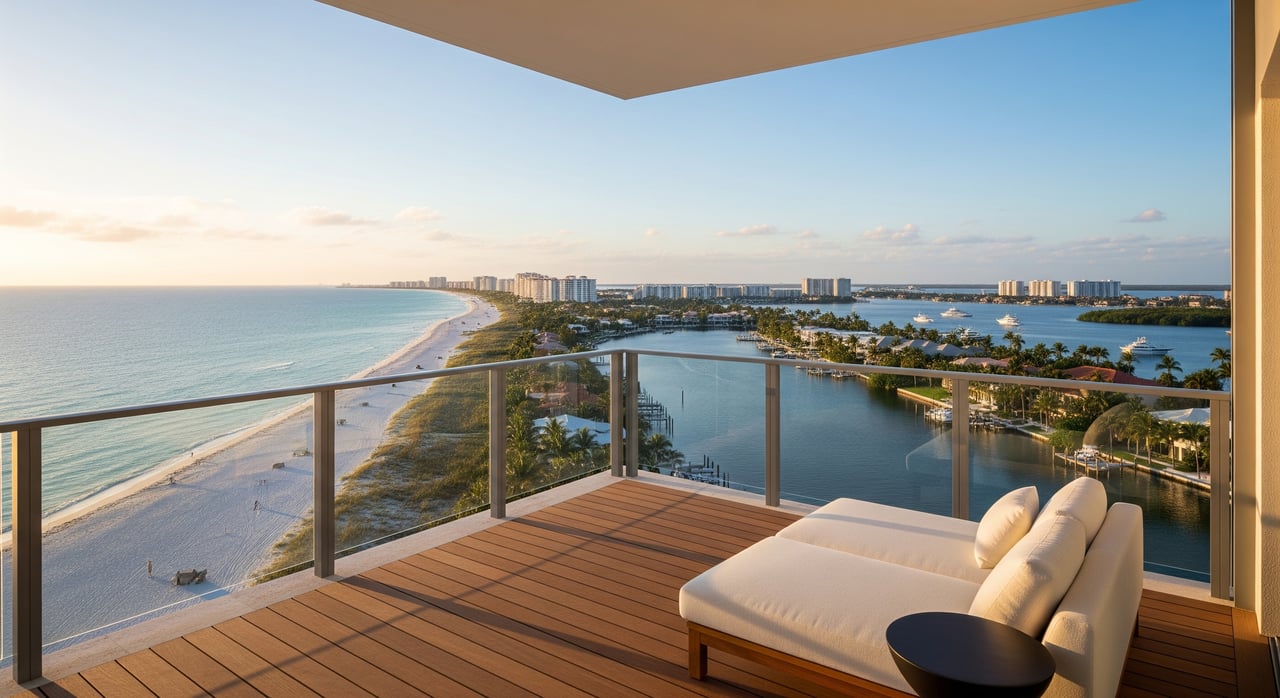
Thinking about a Park Shore condo and trying to choose between the beach and the bay? You are not alone. Many buyers weigh Gulf-front sunsets against the energy and convenience of Venetian Bay before making a move. In this guide, you will see how views, access, boating, walkability, amenities, costs, and risk differ so you can decide what fits your lifestyle best. Let’s dive in.
Park Shore at a glance
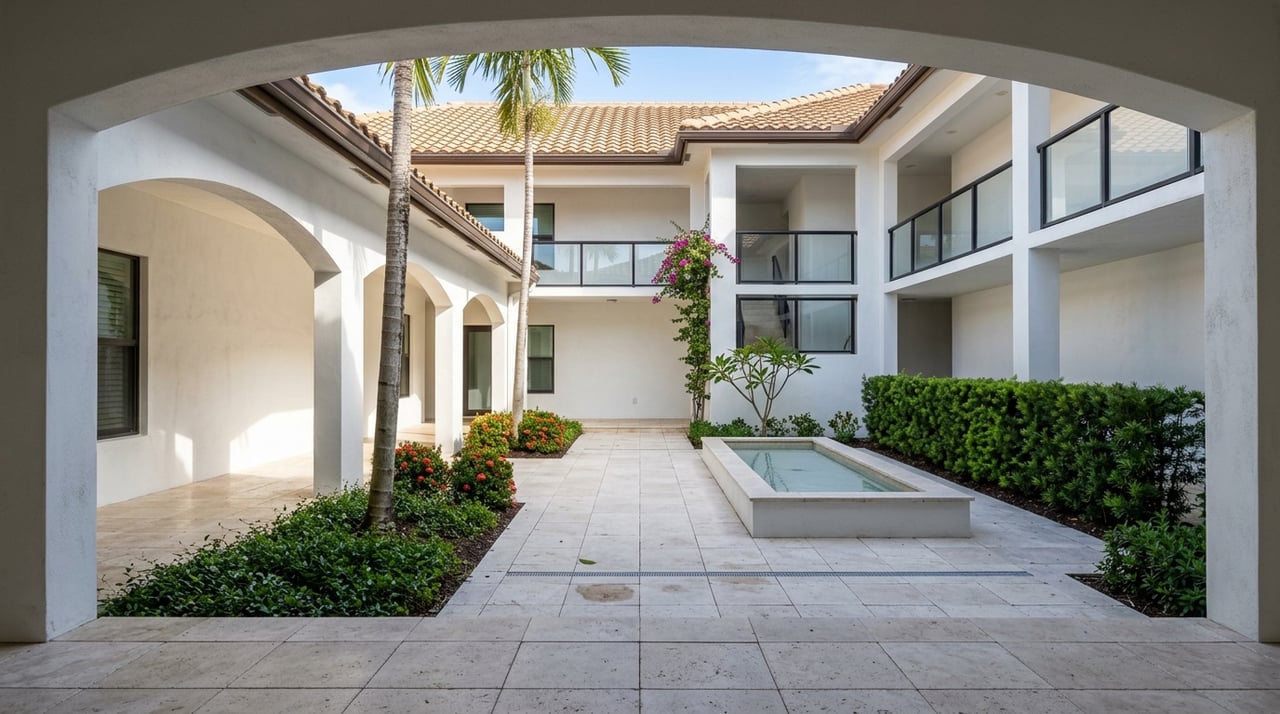
Park Shore sits between the Gulf of Mexico to the west and Venetian Bay to the east. Gulf Shore Boulevard runs through the neighborhood with condo buildings on both sides. You will find mid-rise and high-rise luxury buildings throughout, many with resort-style amenities, concierge services, and a focus on waterfront living.
Venetian Village on the bay side brings shops, dining, and a marina-style boardwalk experience to the neighborhood. Your distance to Venetian Village depends on your building’s exact location and whether you are on the beach or the bay.
Beachfront vs bayfront views
Beachfront condos face open Gulf waters with wide sand and horizon views. The signature draw is the sunset, and the most prized units have direct, unobstructed Gulf panoramas. The perceived value of a beachfront unit often tracks with how direct and wide that view is.
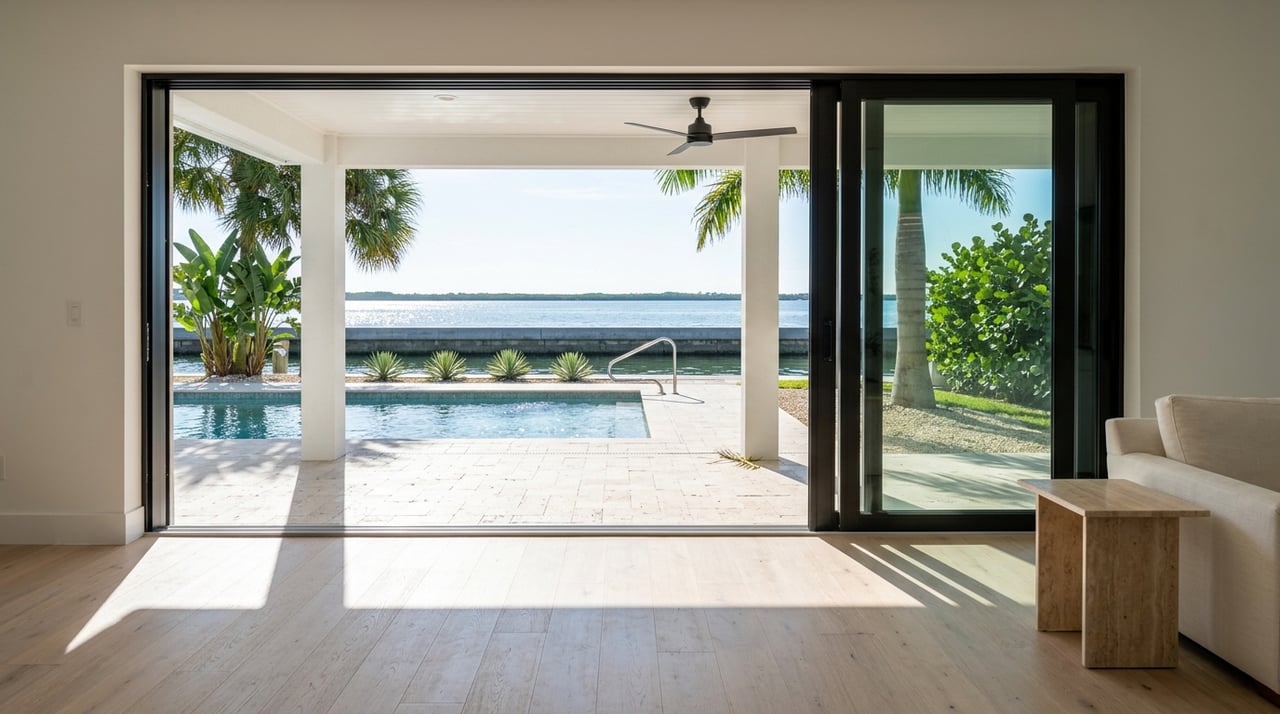
Bayfront condos overlook protected waters, canals, and marina scenes. Expect calmer water views, changing light throughout the day, and boat activity. Morning people often enjoy the softer sunrise exposures that many bay-oriented residences capture.
Beach access and shoreline experience
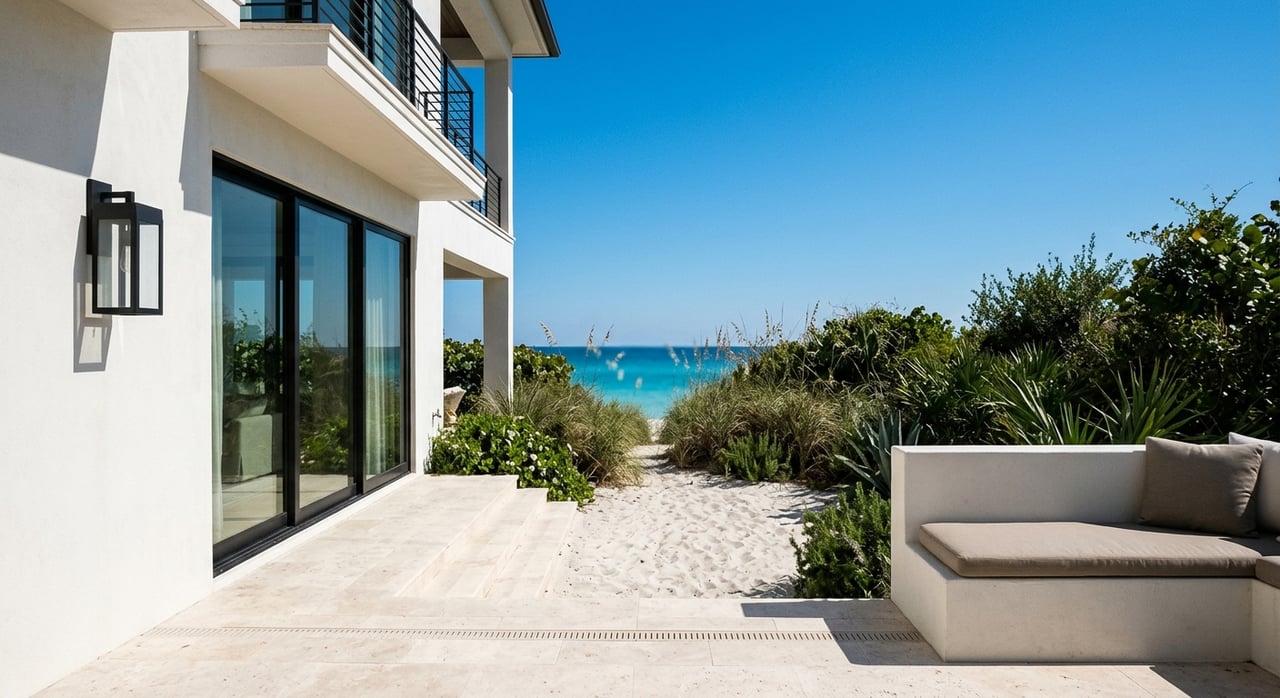
Beachfront buildings usually provide deeded or private beach access with dune walkovers and outdoor shower stations. You step from your pool deck to the sand, and beach storage or chair setups may be available depending on the association. Beachfront ownership also means living with coastal maintenance realities like dune care and occasional beach renourishment projects led at the city or county level.
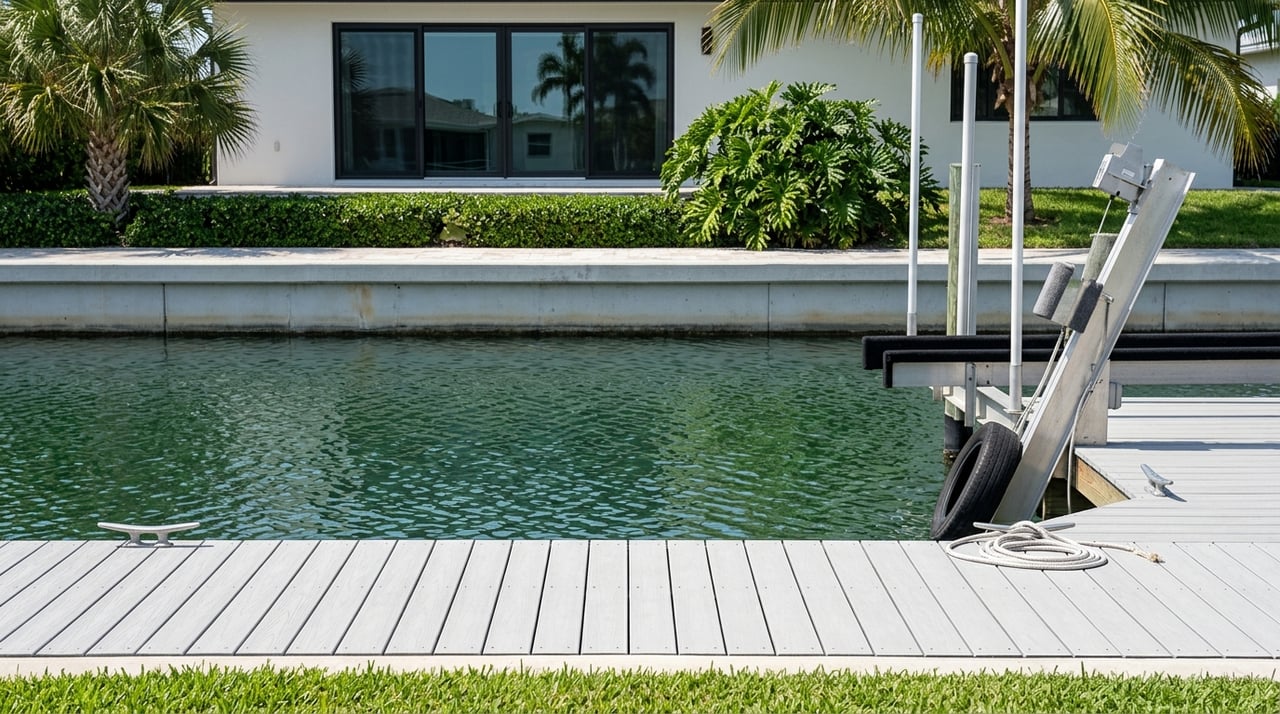
Bayfront buildings do not front the Gulf sand. Instead, they offer bayfront boardwalks, kayak or paddleboard storage, and dock areas that create a marina-like setting. If you want beach time, you will typically cross Gulf Shore Boulevard and use private beach rights, a nearby access point, or public access where available.
Boating and marina access
If boating is a top priority, bayfront living is often the easier path. Many bayfront associations offer private slips, deeded or rentable spaces, and direct access to Venetian Bay with routes to the Gulf through nearby inlets or canals. Slip size, draft depth, fees, and waitlists vary by building, so you will want to confirm details with the association or marina management.
Beachfront buildings rarely include private boat slips on the Gulf side. Owners who boat typically use nearby marinas on the bay or mainland and plan for trailering or tender options. If you know your vessel type and draft, you can work with your association or local marina to vet slip availability and channel depth.
Walkability and Venetian Village
Bayfront locations often place you closer to Venetian Village’s restaurants, boutiques, and the waterfront promenade. Many residents enjoy casual walks for coffee, dinner, or errands without getting in the car. The pedestrian environment around Gulf Shore Boulevard includes sidewalks and crosswalks, though it can feel busier during peak season.
Some beachfront buildings are also within walking reach of Venetian Village, but the exact walk depends on proximity and whether you need to cross Gulf Shore Boulevard. If walkable dining and retail are high on your list, evaluate each building’s specific path and distance.
Amenities and lifestyle differences
Most Park Shore buildings deliver a full-service experience with secured entry, elevators, fitness centers, pools, and onsite staff. What differs is the lifestyle emphasis.
- Beachfront buildings often highlight beachfront pools, dune walkovers, outdoor showers, and convenient pathways to the sand. Some include beach storage or chair setups, depending on association rules.
- Bayfront buildings commonly focus on boating and water activity with private docks, slips, and storage for kayaks or paddleboards. You may also find bayfront terraces and boardwalks that are great for casual gatherings.
Both sides can feel very social or very private depending on the building culture and amenity design. It pays to tour common areas at different times of day to get a feel for rhythm and noise levels, from the sound of waves to marina activity.
Costs, HOA, and insurance
Park Shore is a premium micro-market within Naples, and waterfront condo ownership brings costs that vary widely by building. The biggest drivers are view quality, floor height, square footage, age and renovation level, and whether a unit includes deeded beach access or a dock. HOA fees also vary based on amenities, reserves, insurance contributions, and maintenance obligations like elevators, seawalls, and docks.
Coastal insurance is a key consideration on both sides. Many Park Shore properties are within FEMA-designated coastal flood zones, including AE and VE in some areas. Associations typically carry master policies for the building structure, and owners carry interior and contents coverage. Windstorm coverage is common in coastal Florida, and premiums across the private market have shifted in recent years. You will want to review the association’s current master policy, deductibles, and reserve study, and then get property-specific quotes for your unit.
If your building participates in coastal or marina maintenance, be sure to ask about any special assessments or planned capital projects. Some coastal neighborhoods take part in beach renourishment or local improvement districts, which can affect expenses.
Rules, rentals, and building policies
Association rules can be a deciding factor for many buyers. Key items to review include rental restrictions, minimum lease terms, pet policies, guest rules, and any renovation guidelines. Collier County also maintains short-term rental regulations and registration requirements. Your ability to rent seasonally or short-term will depend on both the county rules and your specific condominium documents.
If you are a boater, confirm whether slips are deeded, assigned, or on a waitlist, and how electricity, water, and dredging are handled. For all buyers, it is wise to request recent association meeting minutes, engineering reports, and any building inspection or reserve studies to understand building health and upcoming projects.
Which side fits you best?
You live for the beach
Choose beachfront if your happy place is stepping from the pool deck to the sand, soaking in west-facing sunsets, and falling asleep to the sound of waves. A direct Gulf view will likely be worth a premium if that experience is your priority.
You are a boater or paddle enthusiast
Go bayfront if you plan to keep a boat or want everyday access to docks, protected waters, and a marina lifestyle. Ask early about slip size, draft depth, and waitlists, then align your vessel choice with the building’s boating infrastructure.
You want walkable dining and retail
Favor bayfront buildings near Venetian Village if you envision morning coffee walks, dinner on the water, and errands done on foot. Some beachfront options can work too, but confirm the specific walk route and crossings.
You are an investor focused on flexibility
Start with association rules. Some buildings prohibit short-term rentals, while others allow longer seasonal leases. Analyze rental histories, seasonality, and HOA policies before you assume income potential on either side.
You are a seasonal resident or downsizer
Define your daily rhythm. If quiet horizons and sunsets anchor your day, beachfront tends to deliver that. If you see yourself active on the boardwalk, meeting friends at Venetian Village, or heading out on the water, bayfront may be the better fit.
Due diligence checklist
Use this quick list to evaluate any Park Shore condominium, beachfront or bayfront:
- View and orientation: Confirm view type, view corridors, and morning versus evening light.
- Access: For beachfront, verify deeded beach rights and dune access. For bayfront, check kayak or paddleboard storage and launch points.
- Boating: Determine if slips are deeded or rentable, slip dimensions, draft depth, fees, and any waitlist.
- Walkability: Map your route to Venetian Village and key services. Consider seasonal traffic and crosswalks.
- HOA and reserves: Review budgets, reserve studies, recent minutes, and any special assessments.
- Insurance and risk: Confirm FEMA flood zone, building elevation if available, master policy coverage, windstorm details, and deductibles.
- Building history: Ask about recent projects like impact glass, roof, elevators, seawalls, or generator systems.
- Rental and pet rules: Confirm minimum lease periods, number of leases per year, pet size or count, and guest policies.
- Taxes and districts: Review parcel records with the Collier County Property Appraiser and ask about any local improvement or renourishment assessments.
How TEAM SIMS helps you compare
Choosing between Park Shore’s beachfront and bayfront options is personal, and the right answer depends on view preferences, boating needs, walkability, and risk tolerance. With decades of neighborhood experience and access to brokerage-backed tools, our team helps you compare buildings side by side. We coordinate building tours at different times of day, pull relevant comps, gather HOA and insurance documents, and verify flood zone and dock details so you can move forward with clarity.
Ready to explore Park Shore with a trusted local guide? Connect with STEVE SIMS for a private consultation and a tailored short list that matches your lifestyle, budget, and timeline.
FAQs
What are the main lifestyle differences between Park Shore beachfront and bayfront condos?
- Beachfront centers on sand, sunsets, and open-water vistas, while bayfront emphasizes protected-water views, boating, and walkable access to Venetian Village.
Is boating easier from a Park Shore bayfront condo than a beachfront building?
- In most cases yes, because bayfront buildings often offer private slips or access to nearby marinas, while beachfront properties typically rely on off-site marina options.
How do insurance and flood risk compare for beachfront vs bayfront buildings in Park Shore?
- Both sides can fall within FEMA coastal flood zones and require windstorm coverage, so review the association’s master policy, confirm flood zone designations, and get unit-specific quotes.
Can I rent my Park Shore condo short-term on either side of Gulf Shore Boulevard?
- It depends on the association’s rules and Collier County regulations, including registration requirements, so always review the condominium documents before you rely on rental income.
Which side has higher resale value in Park Shore, beachfront or bayfront?
- Value depends on view quality, building, floor, square footage, and amenities, so rely on recent MLS comps and building-by-building analysis rather than general assumptions.
How close are Park Shore condos to Venetian Village, and does side matter?
- Many bayfront buildings are very convenient to Venetian Village, while some beachfront options are also walkable, so evaluate the exact building location and walking route.