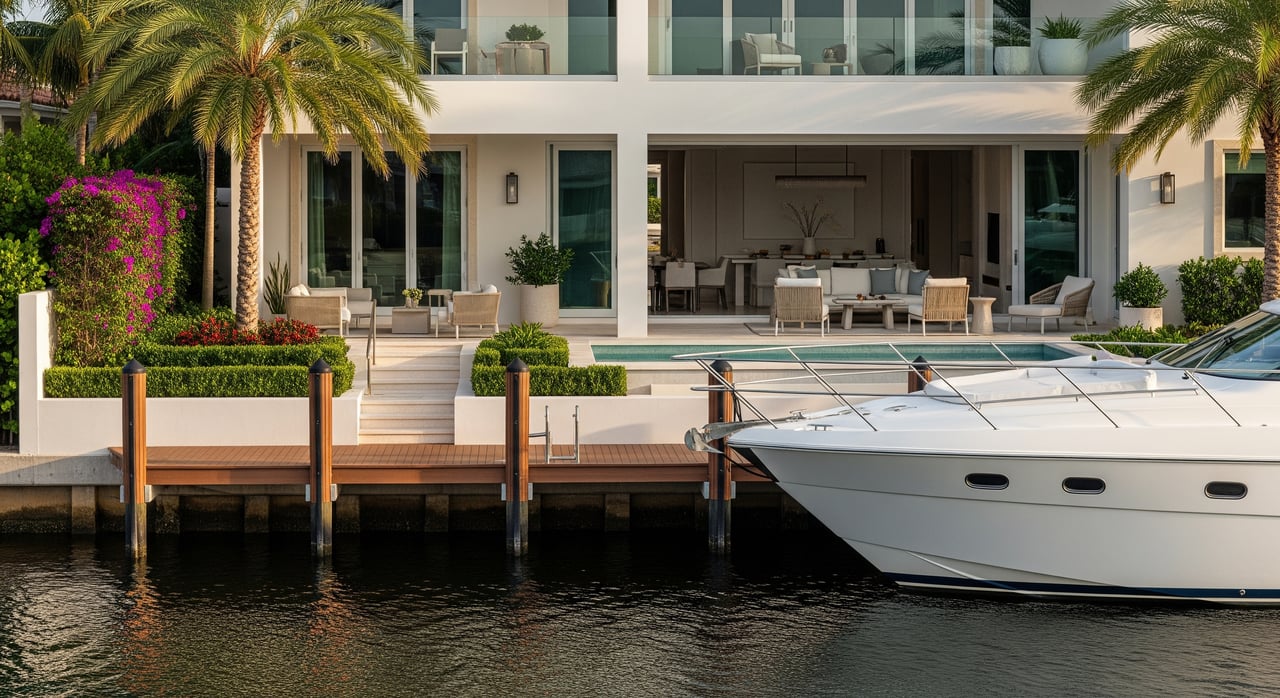
Picture this: you step from your backyard onto your boat, cruise across Naples Bay, and reach the Gulf without fuss. If that sounds like your ideal day, Royal Harbor deserves a close look. Buying here is about more than the view. You need to know how your boat will navigate Gordon Pass, whether your dock has reliable depth, and what to expect with permits, insurance, and seawall care. This guide gives you clear, practical steps to buy with confidence in Royal Harbor. Let’s dive in.
Why Royal Harbor appeals to boaters
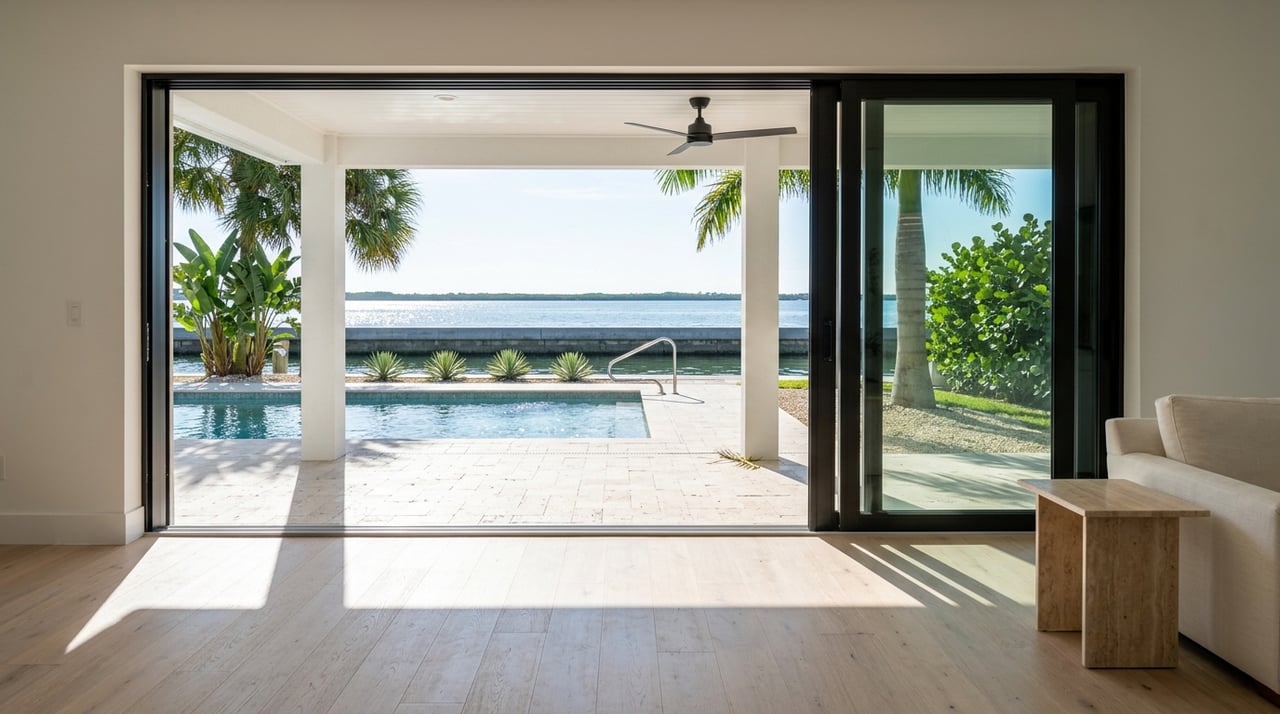
Royal Harbor sits on canals and bay basins just off Naples Bay, close to downtown Naples and waterfront dining. You get a sheltered setting that reduces exposure to open Gulf wave action while keeping your route to the Gulf convenient. Many homes enjoy wide-water views toward Naples Bay, while canal properties offer backyard docking and a quieter feel. For most buyers, the draw is the combination of lifestyle near downtown and true Gulf access through Gordon Pass.
Gulf access basics: Naples Bay and Gordon Pass
Gordon Pass is the primary inlet between Naples Bay and the Gulf of Mexico. From Royal Harbor you head through Naples Bay and out the pass, which is a short run for many boats. Inlet conditions evolve with tides, storms, and seasonal shoaling, so safe passage depends on your vessel’s draft and timing. There are no fixed bridges between Royal Harbor and the Gulf, but channel widths and depths still limit larger vessels.
Check the latest channel information before you rely on any listing claims. Start with current NOAA nautical charts and updates and look for recent maintenance notes from the U.S. Army Corps of Engineers. These sources help you understand marked routes, soundings, and whether dredging has changed the pass.
Plan routes and timing
Tide height affects how much water you have at your dock and through the pass. If your draft margin is tight, plan departures on favorable tides and learn local markers. Use NOAA Tides and Currents to check predictions and align your run with safer windows.
Local knowledge matters
Talk with nearby boat owners and marina staff for on-the-water insight that charts may not show. If you are new to the area, consider having a local captain run the approach with you at a lower tide to verify clearances and potential shoals. Visiting the property by water at different tides is one of the best ways to confirm day-to-day feasibility for your boat.
Depth and draft at your dock
Depth is the single most important question for boat buyers. Water levels vary by canal and basin, and depth at your seawall during a lower tide is what determines whether your boat can safely sit, turn, and depart. Properties on wider bay basins often have more consistent depths than interior canals, but exceptions are common.
Here is how to confirm suitability for your specific boat:
- Ask for a recent bathymetric or depth survey that shows recorded depths at a lower tide benchmark. If none exists, commission one.
- Review current NOAA charts and Notices to Mariners for shoaling updates.
- Speak with nearby owners and marina managers about typical low-tide depths along your approach canal.
- Hire a marine surveyor or local captain to test the route at a lower tide and verify turning room by your dock.
Red flags to verify
If a listing notes “low-draft only,” “seasonal shoaling,” or vague disclaimers about passability, dig deeper. These phrases can signal limited depth at or near the property, or shifting conditions along the route to Gordon Pass. Do not rely on seller estimates alone when your vessel’s draft is at stake.
Docks, lifts, and seawalls
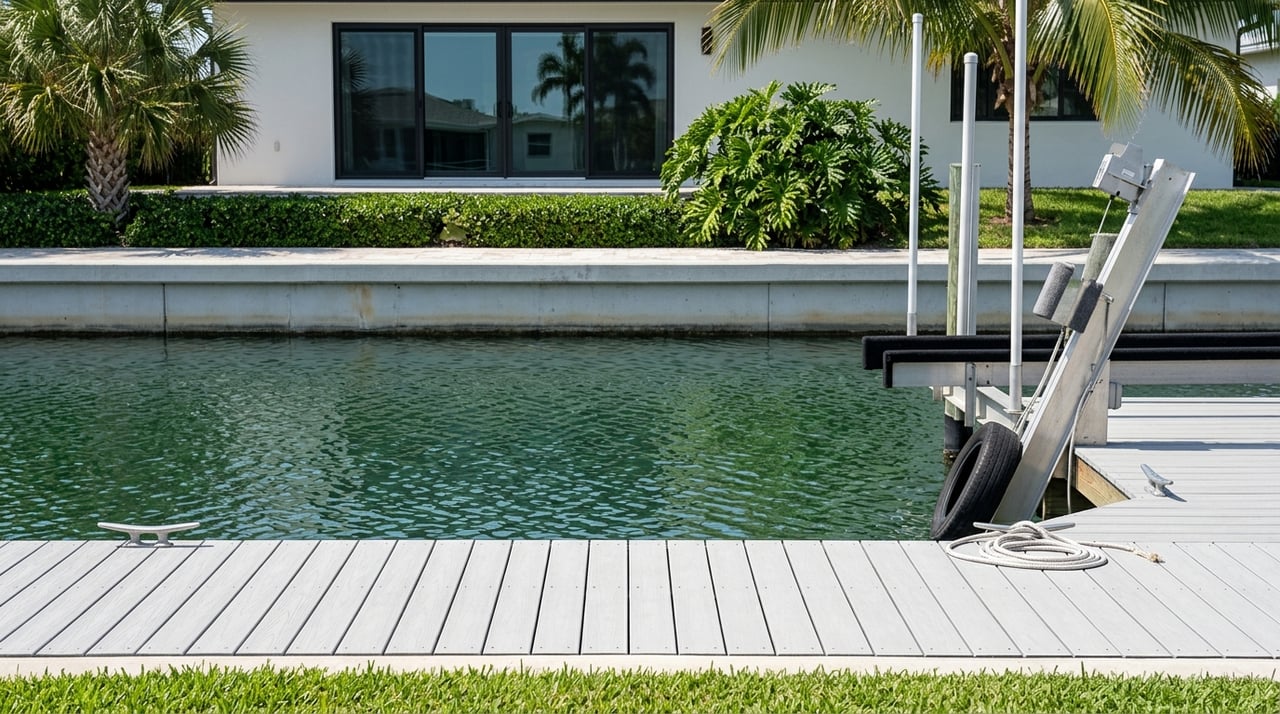
You will see a mix of fixed and floating docks, boat lifts, davits, and finger piers in Royal Harbor. Condition and capacity matter. Confirm that any lift matches your intended vessel’s length, beam, and weight, and have a qualified professional inspect mechanicals and power. Look for wear on pilings, decking, and hardware.
Seawalls protect your yard and dock from tides and wakes. Warning signs include leaning, cracks, voids behind the wall, and erosion at the cap. Ask for a recent seawall inspection and estimates for any recommended repairs or replacement. Seawall projects can be a significant investment in Florida, and they often require permits.
Permits and submerged land rules
Dock and seawall work typically requires local permits through Collier County, along with state-level review if the work affects submerged lands, wetlands, or seagrass. Some larger or farther-reaching docks may need a submerged land lease from the state. Start by reviewing requirements with Collier County and the Florida Department of Environmental Protection to confirm setbacks, timelines, and documentation.
Environmental protections
Expect rules that protect seagrass and mangroves, and be aware that propeller scarring is regulated. These factors can shape where and how a dock, lift, or pile field is permitted. Early permit checks help you understand feasibility and any mitigation that might apply.
Rules, insurance, and risk checks
Waterfront properties are often mapped in higher-risk flood zones. Review the FEMA Flood Insurance Rate Map for the specific property, get an elevation certificate, and secure quotes from both NFIP and private carriers so you know the true cost of ownership. Use the FEMA Flood Map Service Center to identify your flood zone and Base Flood Elevation.
Hurricanes and storm planning
If you plan to keep your boat at home, build a storm plan that includes how you will secure or relocate the vessel. Many owners use lift straps, extra lines, and fendering, and they arrange haul-out services at local marinas ahead of peak season. Confirm availability and costs well before summer.
Boating rules and speed zones
Inside Naples Bay and along shorelines you will encounter speed zones and local restrictions. Review state rules with the Florida Fish and Wildlife Conservation Commission and refresh on federal navigation requirements through the U.S. Coast Guard Navigation Center. Knowing where slow-speed areas begin helps you plan run times and reduce wake near seawalls.
Water quality and red tide
Seasonal water-quality issues, including harmful algal blooms, can affect boating and views. Monitor statewide updates and advisories through the FWC’s red tide resources. Staying informed helps you plan comfortable boating days during peak season.
Noise and marine traffic
Proximity to popular routes and marinas can increase wakes and weekend traffic. Visit your top choices on a weekday morning, a weekend afternoon, and during peak season to see real conditions. This quick field test gives you a clear picture of noise levels and how often boats pass your seawall.
Buyer due diligence checklist
Use this list to keep your purchase on track:
- Obtain a recent depth survey at a lower tide benchmark or commission one if depth is critical for your vessel.
- Confirm current channel and pass conditions using NOAA charts and local Notices to Mariners, and look for updates from the U.S. Army Corps of Engineers.
- Order a seawall inspection and gather two repair or replacement estimates if issues are noted.
- Verify dock type, lift capacity, piling condition, and electrical service, and schedule a professional inspection.
- Run a title search for riparian rights, dock agreements, easements, and any shoreline encroachments.
- Check your flood zone on the FEMA Map Service Center, obtain an elevation certificate, and compare flood insurance quotes.
- Review Collier County permit history for docks and seawalls, and confirm that all structures were permitted and closed out properly.
- Ask the seller about recent dredging, shoaling, or navigation issues along the approach or at Gordon Pass.
- Visit the property at a lower tide to observe docking, turning, and practical clearances firsthand.
- Speak with neighbors, marina operators, and a local captain about seasonal traffic, run times, and any known trouble spots.
Trusted help for your search
Buying a Gulf-access home in Royal Harbor is a lifestyle decision and a technical one. You deserve a team that understands both the joy of boating to dinner on Fifth Avenue South and the details of depths, docks, and permits. TEAM SIMS brings decades of Naples waterfront experience, neighborhood advisory, and the resources of William Raveis, including access to mortgage and insurance services, to support a confident purchase. Ready to explore Royal Harbor with a plan tailored to your boat and your goals? Connect with STEVE SIMS to Request a Private Consultation.
FAQs
How close is Royal Harbor to the Gulf for boaters?
- You reach the Gulf by running through Naples Bay and out Gordon Pass. Conditions change with tides and shoaling, so check NOAA charts and confirm locally before planning runs.
How do I verify depth at a Royal Harbor dock?
- Ask for a recent depth survey that shows lower tide measurements, review NOAA charts, and have a local captain or marine surveyor test the approach at a lower tide.
What permits do I need to rebuild a dock or seawall?
- Most projects require Collier County permits and may trigger state review through the Florida DEP. Larger or farther-reaching docks can require a submerged land lease.
Do flood zones affect insurance costs in Royal Harbor?
- Yes. Many waterfront parcels are in higher-risk zones. Use the FEMA Flood Map Service Center to verify your zone, obtain an elevation certificate, and compare NFIP and private quotes.
Are there special boating rules in Naples Bay?
- Expect speed zones and local restrictions. Review state rules via FWC boating regulations and federal navigation rules through the U.S. Coast Guard.
What environmental issues should I monitor?
- Seasonal water-quality changes and red tide can affect boating. Check FWC’s red tide updates and follow local advisories for current conditions.