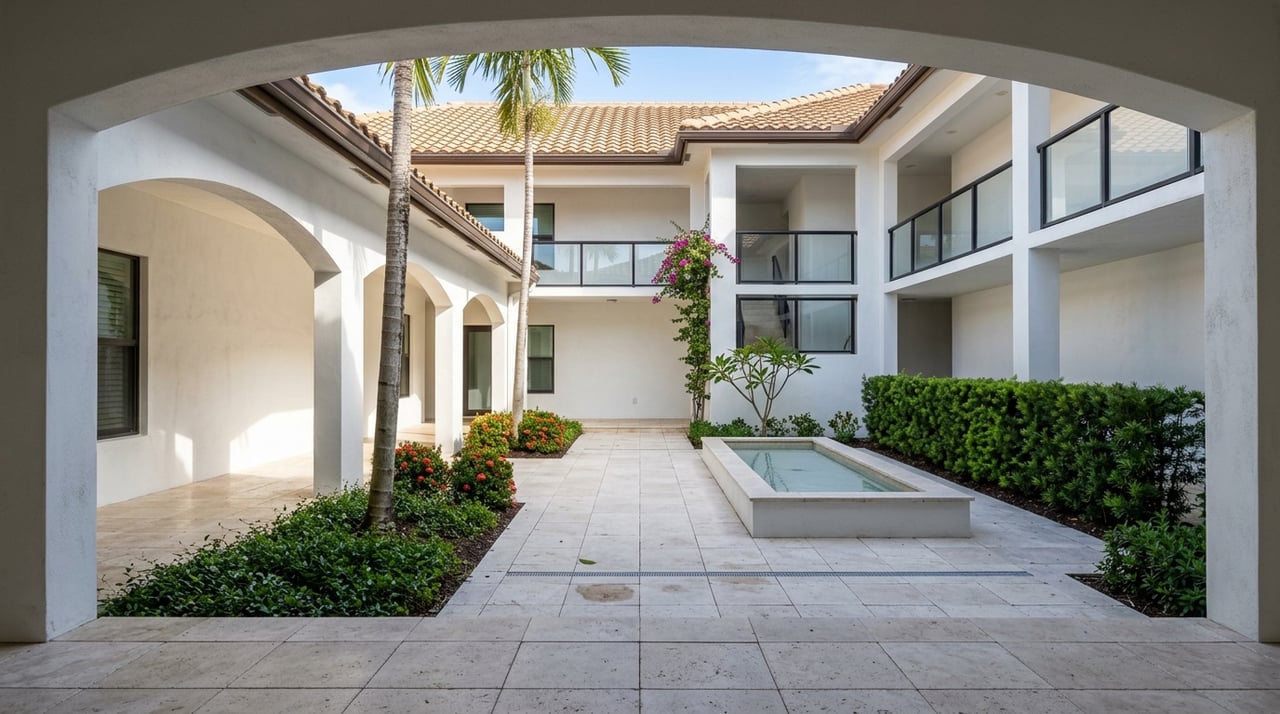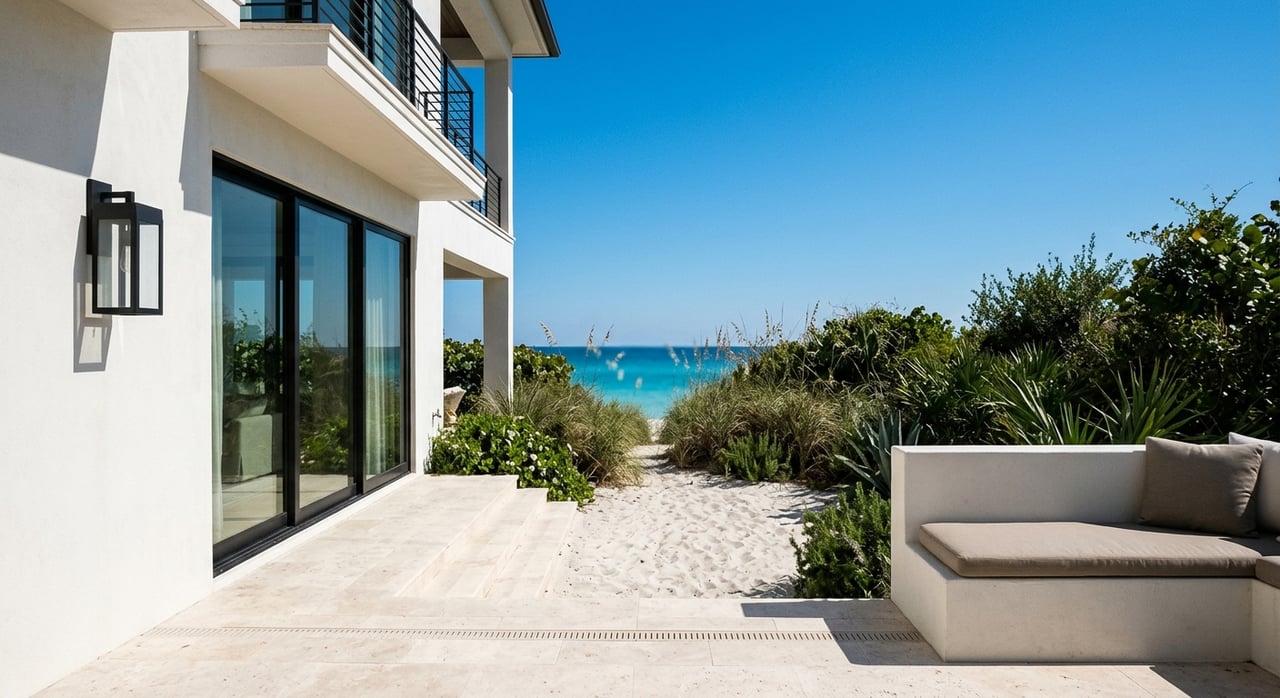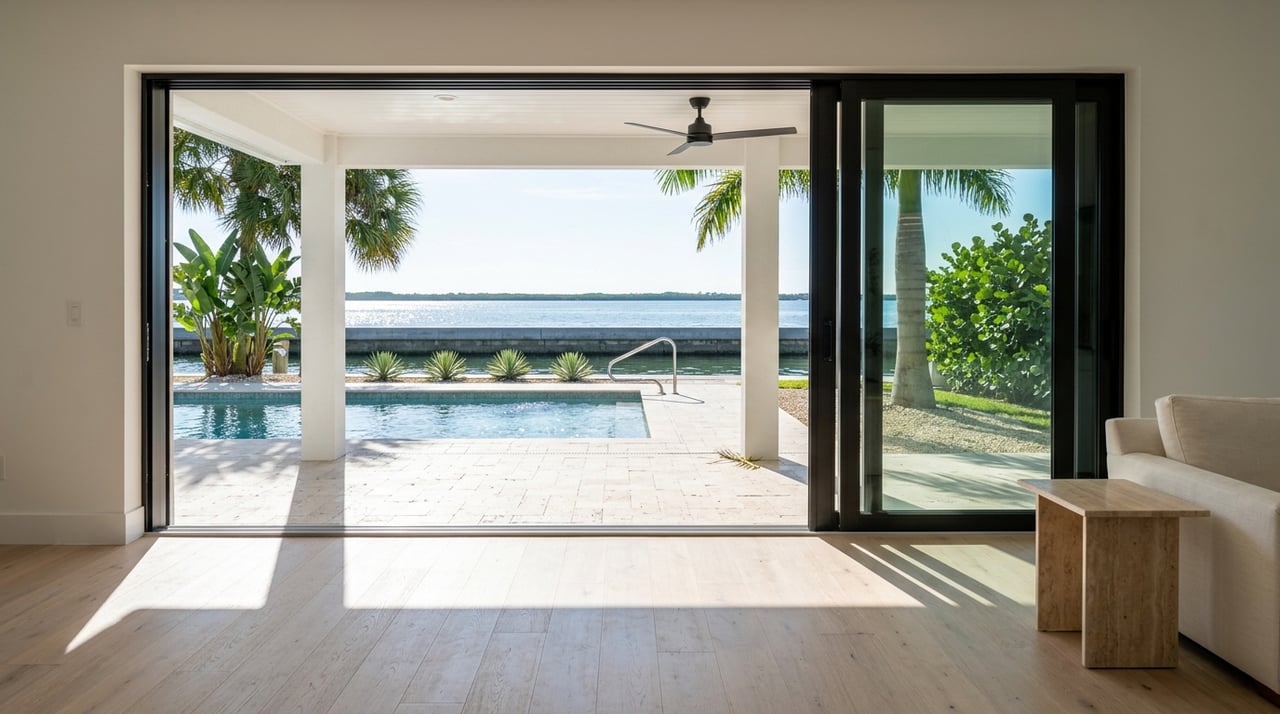
If your idea of Naples living includes stepping from your backyard to your boat, Royal Harbor deserves a closer look. This neighborhood offers a rare mix of home dock potential, quick access to Naples Bay, and a close connection to downtown. If you are weighing canalfront versus bayfront living, or simply want to understand how boating works here day to day, this guide will help you see the lifestyle more clearly. Let’s dive in.
Why Royal Harbor Stands Out
Royal Harbor is best understood as a close-in waterfront neighborhood, not a remote boating outpost. You are near downtown Naples while still enjoying direct water access through the canal system, Naples Bay, and Gordon Pass.
That location shapes the experience in a very practical way. Naples Bay is a relatively narrow, shallow estuary that connects to the Gulf of Mexico through Gordon Pass, so boating here is often about easy local access, dock convenience, and smooth routing rather than long-distance cruising from a wide-open harbor.
Canalfront vs Bayfront Feel
One of the most important details in Royal Harbor is whether a home sits on a canalfront lot or a bayfront lot. The City of Naples’ East Naples Bay Special Taxing District includes the canals in Royal Harbor but excludes parcels that face Naples Bay itself, which helps define the difference between these two settings.
In everyday terms, canalfront and bayfront properties can feel very different at the dock. Canal lots often offer a more protected setup, while bayfront lots bring a more open-water feel. Before you even think about boat size or a lift, that difference can shape how the property functions for you.
The Boating Lifestyle in Daily Practice
Royal Harbor boating is built around convenience. The neighborhood’s manmade canals and tributaries connect into East Naples Bay, giving many homeowners the appeal of keeping a boat at home and heading out without relying on a marina.
That lifestyle comes with a stewardship component too. The city continues to manage navigability and water quality in this system, including dredging and rock-removal work in the canal network serving Royal Harbor and nearby waterfront neighborhoods.
For buyers, that is more than a technical detail. It speaks to the long-term care of the water system that supports the neighborhood’s boating appeal.
What to Look for at the Dock
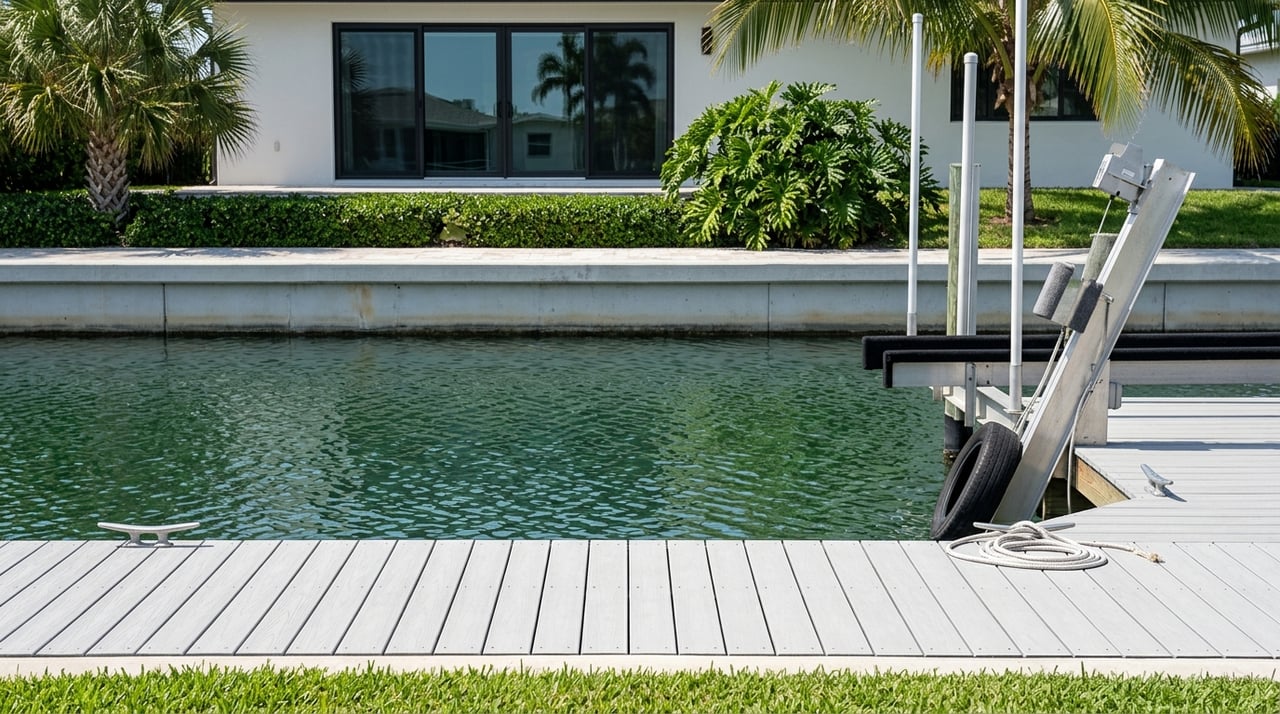
If you are touring waterfront property in Royal Harbor, the dock area deserves close attention. The City of Naples marine permit requirements show exactly which features matter most because docks, lifts, pilings, seawalls, and shoreline protection are standard parts of ownership here.
A smart showing checklist includes:
- Whether the home already has a boat lift
- The condition and cap of the seawall
- The width of the waterway behind the home
- Turning room at the dock
- Where dock power runs from the house
- Whether the property reads as canalfront or bayfront
These details can affect both your day-to-day enjoyment and the scope of future improvements. In Royal Harbor, waterfront ownership is often about how the whole shoreline setup works together, not just whether a dock is present.
Why Seawalls and Permits Matter
In Royal Harbor, waterfront improvements are rarely plug-and-play. The city requires marine permits for docks, boat lifts, pilings, seawalls, and riprap, and the permit process calls for surveys, site plans, waterway dimensions, neighboring shoreline conditions, and in some cases structural design documents.
That means a waterfront property is not only a lifestyle purchase. It is also a property where the shoreline infrastructure deserves the same level of review as the kitchen, roof, or pool.
For buyers, this creates a useful lens. If a home already has a well-planned dock and seawall setup, that can save time and simplify your path to enjoying the property. If changes are needed, it is wise to understand the existing conditions early.
Boat Fit Is About More Than Length
In Royal Harbor, the right boat fit depends on more than whether a vessel can tie up behind the house. Waterway width, dock layout, lift details, and maneuvering room all play a role.
A larger point is that your boating plans should drive the property search. If you want casual bay access and local cruising, one setup may work well. If you plan to use a taller vessel with a T-top, radar arch, or other overhead features, route constraints become a key part of the conversation.
Bridge Clearance Can Change Your Route
Many buyers focus on water access and overlook vertical clearance. In Royal Harbor, that can be a mistake if you plan to run into the Gordon River or toward Bayfront and downtown river routes.
City bridge documents cite about 10.2 feet of clearance above mean high water for the west span of the SR 90 and U.S. 41 Gordon River Bridge, and another Gordon River Connector Bridge design reference cites 11 feet above mean high water. For some boats, that is plenty. For others, it is a real limitation.
The key takeaway is simple: canal-to-bay access may feel easy, but your full boating route still needs to match your vessel’s air draft. That is the sort of local detail that matters when comparing waterfront homes.
Downtown Access Is Part of the Appeal
One of Royal Harbor’s strongest lifestyle advantages is how close it sits to downtown Naples. This is not a boating neighborhood where everything feels far away. Instead, the waterfront setting is closely tied to the city’s dining, shopping, and waterfront activity.
By water, Naples City Dock in Crayton Cove is a useful benchmark. The city describes it as minutes from downtown Naples and near the 5th Avenue South and 3rd Street districts, with services that include fuel, pump-out, bait, refreshments, and charters, plus accommodations for vessels up to 60 feet.
By land, the Royal Harbor area also connects directly into the 5th Avenue South and Gordon River corridor. That close-in position is a major reason the neighborhood stands out for buyers who want boating and downtown convenience in the same setting.
5th Avenue South Adds to the Lifestyle
5th Avenue South is one of Naples’ primary downtown corridors, stretching from Tamiami Trail to the Gulf of Mexico in Old Naples. For Royal Harbor homeowners, that means the boating lifestyle is paired with quick access to one of the city’s best-known areas for dining, shopping, and everyday enjoyment.
That combination is not always easy to find. In many waterfront communities, you trade proximity for dockage. In Royal Harbor, the appeal is that you can enjoy both.
Who Royal Harbor Fits Best
Royal Harbor can be a strong match if you want waterfront living with practical boating access and a close tie to downtown Naples. It may especially appeal to buyers looking for a luxury home with private dock potential rather than a more removed boating setting.
It can also suit sellers whose property story centers on water access, dock infrastructure, and proximity to Old Naples. Those are meaningful lifestyle features, and presenting them clearly can help buyers understand the value of the home beyond square footage alone.
A Smarter Way to Evaluate Waterfront Homes
When you look at Royal Harbor through a boating lens, the right questions become clearer. You are not just asking whether a house is on the water. You are asking how the water actually works for your plans.
That includes the lot type, canal width, dock layout, seawall condition, lift setup, likely route, and any bridge-clearance concerns. It also includes how important downtown access is to your overall lifestyle.
For many buyers, that is the real draw of Royal Harbor. You get a waterfront neighborhood where boating can feel personal and convenient, while the best of Naples remains close at hand.
If you are thinking about buying or selling in Royal Harbor, working with a local team that understands the difference between canalfront function and bayfront feel can make the process much more informed. To explore Royal Harbor homes and waterfront opportunities with personalized guidance, connect with STEVE SIMS.
FAQs
What makes boating in Royal Harbor different from other Naples waterfront areas?
- Royal Harbor combines home dock potential, canal access to Naples Bay, and close proximity to downtown Naples, creating a more connected and convenience-driven boating lifestyle.
What should buyers check at a Royal Harbor waterfront dock?
- Buyers should look at lift presence, seawall condition, waterway width, turning room, dock power setup, and whether the lot is canalfront or bayfront.
Why does canalfront versus bayfront matter in Royal Harbor?
- Canalfront and bayfront homes can offer different dock conditions, levels of protection, and day-to-day boating feel, so that distinction can shape which property fits your needs.
Do Royal Harbor boaters need to think about bridge clearance?
- Yes, especially if you plan to travel beyond the bay and into Gordon River or downtown river routes, where bridge clearance may limit taller vessels.
How close is Royal Harbor to downtown Naples attractions?
- Royal Harbor is closely tied to downtown by both water and land, with Naples City Dock serving as a useful by-water reference point for quick access to nearby waterfront amenities.
Are docks and seawalls common parts of ownership in Royal Harbor?
- Yes, the city’s marine permit system reflects that docks, lifts, seawalls, pilings, and related shoreline improvements are common features of waterfront ownership in the neighborhood.